
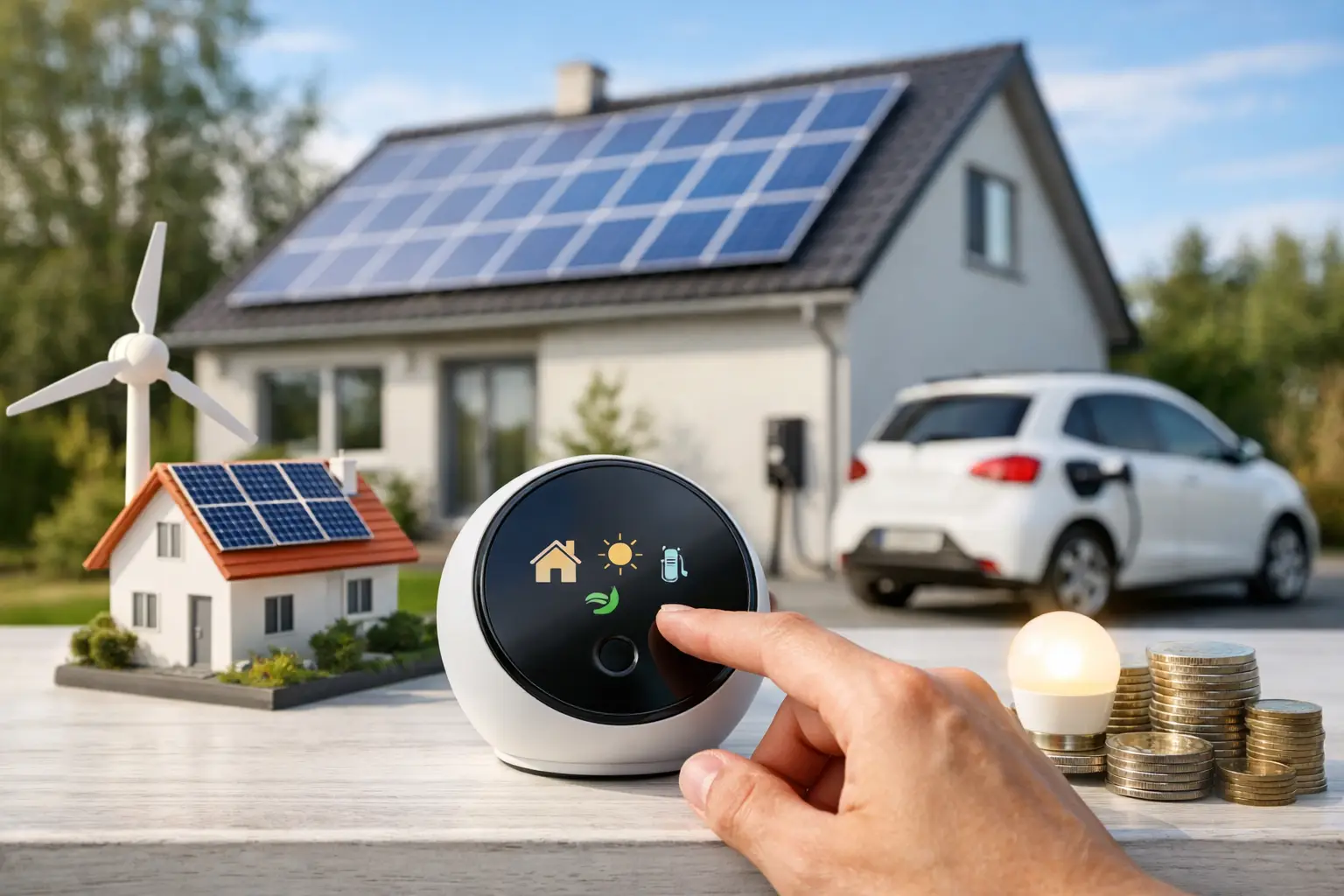
If your electric bill keeps jumping around, home energy optimization is less about becoming an energy expert and more about fixing the few things that actually move the number. Most households do not need a complicated plan. They need lower monthly costs, less guesswork, and fewer tasks to manage.
That matters because energy waste shows up in two places at once. You pay for more electricity than you need, and you spend time trying to figure out why. For most people, the real win is not chasing perfect efficiency. It is reducing bills in ways that are practical enough to stick.
What home energy optimization really means
At its simplest, home energy optimization means lowering your total energy cost without making your home harder to live in. That can come from using less electricity, using it more efficiently, or paying a better rate for the electricity you already use.
A lot of advice focuses only on consumption. Turn off lights. Adjust the thermostat. Replace old appliances. Some of that helps, but it misses part of the picture. Your bill is shaped by both usage and price. If your supply rate is high, cutting a little usage may not do as much as you expect.
That is why smart optimization starts with the biggest cost drivers first. In most homes, those are heating and cooling, water heating, large appliances, and the electricity rate itself. The exact mix depends on the home, the season, and your state, but the principle is the same. Go after the decisions with the biggest financial impact.
Start where the bill is biggest
If your goal is lower monthly costs, begin with the line items and habits that change the bill the most. HVAC is usually first. Small thermostat adjustments can help, especially during extreme weather, but there is a trade-off. Push temperatures too far and comfort drops fast. The better approach is consistency. A programmable or smart thermostat can trim waste when no one is home without turning daily life into a project.
Air leaks are another common problem. If your home loses conditioned air around doors, windows, attic access points, or poorly sealed ductwork, your system works harder and your bill climbs. Sealing leaks is not flashy, but it often pays off more reliably than buying trendy gadgets.
Water heating is often overlooked because it runs in the background. Lowering the water heater temperature slightly, insulating accessible hot water pipes, and washing clothes in cold water can reduce waste without much sacrifice. Again, moderation matters. Cut too aggressively and convenience suffers.
Then there are appliances. If you have an aging refrigerator, window AC unit, or electric dryer that runs inefficiently, replacement can make sense. But this is where people often overspend. A new appliance only pays off if the savings justify the upfront cost. If the old unit still works reasonably well, you may get a better return by fixing air leaks or improving your electricity rate first.
The rate side of home energy optimization
This is the part many households miss. You can reduce usage and still overpay if your electricity supply rate is not competitive.
In deregulated markets, residents in states like Texas, Illinois, Ohio, Pennsylvania, New Jersey, New York, and others may be able to choose their electricity supplier. That choice creates an opportunity to save, but it also creates work. Plans vary by rate, term length, fees, and renewal conditions. A plan that looks good today may not look good a few months from now.
For most people, manually comparing suppliers is exactly the kind of task that gets postponed. It is repetitive, confusing, and easy to ignore until the bill spikes. That makes rate management one of the highest-value parts of home energy optimization, because the savings can be meaningful and the time cost is usually what stops people from acting.
Automation helps here more than almost anywhere else. Instead of checking rates yourself, sorting through plan details, and remembering when contracts expire, an automated service can monitor and switch on your behalf. That turns optimization from a one-time effort into an ongoing savings system. For households that want lower bills without adding another chore, that is often the most practical move.
What saves money fastest and what takes longer
Not every upgrade deserves immediate attention. Some actions cut costs right away. Others are long-term plays.
Fast wins usually include thermostat scheduling, sealing obvious drafts, changing HVAC filters on time, reducing hot water waste, and making sure you are not overpaying for electricity supply. These are relatively low-friction changes. They are also easier to maintain because they do not require a major purchase.
Longer-term moves include adding insulation, replacing an old HVAC system, upgrading windows, or buying high-efficiency appliances. These can work well, but payback depends on your home, local climate, and current equipment. A homeowner planning to stay put for years may see value here. A renter probably should not start with window replacement.
This is where a lot of generic energy advice falls apart. It treats every household the same. But home energy optimization depends on whether you rent or own, whether your heating is electric or gas, how old your equipment is, and how variable your electric rates are. The right strategy is the one that lowers bills without requiring more effort than you are willing to give.
Common mistakes that waste time
One mistake is focusing on tiny habits while ignoring the major cost drivers. Yes, turning off a lamp helps. No, it usually will not offset poor insulation, an aging AC system, or a bad supply rate.
Another mistake is buying technology before fixing basics. Smart plugs, energy monitors, and app-controlled devices can be useful, but they are not a substitute for sealing leaks, managing thermostat settings, or checking what you pay per kilowatt-hour.
A third mistake is treating optimization like a one-time cleanup. Homes change. Seasons change. Rates change. A setup that looked efficient last summer may not be the cheapest option this winter. The best results usually come from systems that keep working in the background.
That is one reason automated bill reduction tools are appealing. They remove the need to keep revisiting the same decision. Pylon, for example, focuses on the part many people never want to handle manually: monitoring supply options and switching when it makes financial sense.
A realistic plan for lower bills
If you want a practical path, keep it simple. First, identify whether your bill problem is mainly high usage, a high rate, or both. If your usage is high, start with HVAC settings, air sealing, and water heating. If your usage seems normal but your bill still feels high, look closely at your electricity supply terms.
Next, favor changes that do not depend on perfect behavior. Manual habits fade. Automated settings and automated savings tools tend to last. A smart thermostat is easier to stick with than remembering daily temperature changes. Automated supplier switching is easier than checking rate boards every few months.
Finally, be honest about payback. A low-cost fix that saves modestly every month is often better than an expensive upgrade with a long return timeline. Home energy optimization is not about doing everything. It is about doing the few things that actually improve the bill.
The goal is lower bills with less effort
The most useful kind of home energy optimization is not the one with the most moving parts. It is the one that saves money consistently without asking you to think about it every week.
For some households, that means tightening up how the home uses electricity. For others, it means paying closer attention to the rate behind the bill. Usually, it means both. The common thread is simple: the best system is the one you will actually keep using.
If lowering energy costs has been sitting on your to-do list for months, that is a sign to stop chasing a perfect plan and start with the easiest high-impact fix. The smartest savings are often the ones that keep happening after you stop paying attention.