
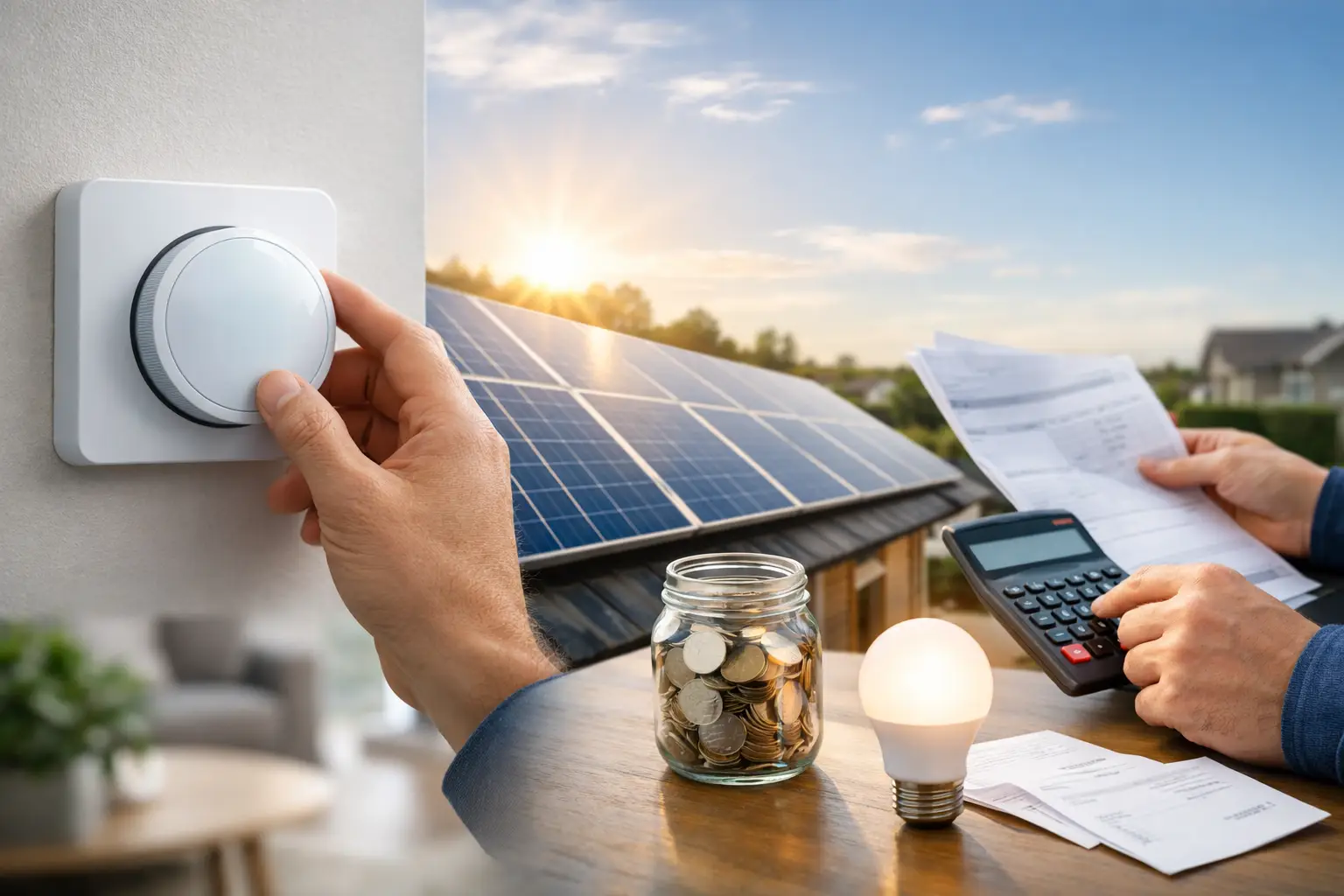
That spike in your monthly bill usually does not come from one big mistake. It comes from a lot of small costs piling up – lights left on, old habits, inefficient settings, and in many states, an electricity rate that quietly stops being competitive. If you want to lower utility bills, the fastest wins usually come from fixing the obvious waste and then removing the hidden friction that keeps costs high.
The good news is that you do not need a full home overhaul to see results. Most households can cut costs by making a few practical changes, and the biggest savings often come from the areas people ignore because they seem too annoying to manage.
Start with the bill itself
A lot of advice about saving energy starts inside the home. That matters, but your actual rate matters too. If you live in a state with retail energy choice, your electricity supply plan may have a bigger effect on your monthly cost than whether you remembered to unplug a charger.
Many people stay on the same supplier for years, not because it is the best deal, but because comparing plans is tedious. Rates change, promotional terms expire, and what looked competitive six months ago may not be competitive now. That is why one of the most effective ways to lower utility bills is simply making sure you are not overpaying for electricity in the first place.
This is also where effort becomes the real barrier. Finding a lower rate once is helpful. Keeping up with changing plans over time is harder. For households that want savings without turning energy shopping into a recurring project, automation can make more sense than trying to monitor the market manually.
Cut heating and cooling waste first
If your home feels expensive to run, HVAC is usually the first place to look. Heating and cooling make up a large share of utility costs in most homes, and even small adjustments can add up over a full season.
Start with your thermostat settings. A modest adjustment while you are asleep or away can lower costs without making the house uncomfortable. The exact savings depend on your climate, insulation, and system efficiency, but this is one of the rare changes that costs little and keeps working every day.
Air leaks matter too. Drafty windows and gaps around doors force your system to run longer than necessary. Weatherstripping and basic sealing are not glamorous upgrades, but they are often cost-effective. If you rent, you may not be able to make major improvements, but even temporary draft blockers and insulated curtains can help.
Filter changes are less exciting than smart thermostats, but they matter. A clogged filter makes your system work harder, which raises usage and can shorten equipment life. If you have central air or forced heat, replacing filters on schedule is a simple habit with real payoff.
Lower utility bills in the kitchen and laundry room
The kitchen and laundry room create steady energy use because they combine appliances, heat, and water. You do not need to stop using them normally. You just need to use them with less waste.
Washing clothes in cold water is an easy example. For most loads, it cleans well and avoids the energy used to heat water. Running full loads in both the washer and dishwasher also helps because you get the same job done with fewer cycles.
Your dryer can be a quiet bill booster. Cleaning the lint trap improves airflow, and avoiding overdrying saves energy while being easier on clothes. If you can air-dry some items, even better. The trade-off is convenience. Not every household wants laundry hanging around the house, so the practical answer is usually a mix.
In the kitchen, older refrigerators and freezers can be expensive to run, especially if seals are loose or temperatures are set colder than needed. If an appliance is near the end of its life, replacement can make sense. But if it still works well, start with maintenance and smarter settings before spending on an upgrade.
Watch the hot water
Hot water is one of the most common ongoing utility costs because it shows up in multiple daily routines – showers, laundry, dishes, and cleaning. That makes it a good place to save without changing your whole lifestyle.
A lower water heater temperature can reduce energy use, as long as it stays in a safe and functional range for your household. Shorter showers help too, though that advice tends to be easier to give than to follow. A more realistic fix is installing low-flow showerheads and faucet aerators, which reduce water use without asking everyone in the house to suddenly become disciplined.
Leaks are another issue people ignore because they seem minor. A dripping faucet or running toilet may not look dramatic, but over a month, those small losses show up on the bill. Fixing them is not just about water conservation. It is about stopping money from literally running away.
Use lighting and electronics more efficiently
Lighting is no longer the biggest energy drain in many homes, especially after the switch to LEDs, but it is still worth tightening up. If you still have older bulbs, replacing them is one of the simplest ways to reduce electricity use. LEDs last longer and use much less power.
Electronics are more complicated. The savings from unplugging every device in the house are often smaller than people expect, but some equipment does draw standby power continuously. Entertainment systems, game consoles, and older office equipment are common examples. Smart power strips can help if you have a cluster of devices that stay on more than necessary.
This is a good place to be realistic. Chasing tiny standby savings while ignoring a bad electricity plan or an inefficient HVAC system is not the best use of your time. Focus on the big levers first.
Time of use and rate plans matter more than most people think
Some households assume the only way to cut utility costs is to use less energy. That is only part of the picture. In many markets, when you use electricity matters almost as much as how much you use.
If your plan includes time-of-use pricing, shifting some activity outside peak hours may reduce costs. Running the dishwasher later, doing laundry in off-peak windows, or charging devices overnight can help. But this strategy depends on your actual rate structure. If your plan is flat-rate, changing usage times may not do much.
That is the larger point: savings are often plan-specific. Generic tips can help, but they only go so far if your supply rate is high or your contract terms changed. Households in deregulated markets often have a real chance to save by choosing a better supplier plan, yet many do not because the process is time-consuming and easy to forget.
For people who want a simpler option, services like Pylon are built around that exact problem – monitoring rates and handling supplier switching automatically so you do not have to keep checking whether your current plan still makes sense.
Make upgrades only when the math works
Home energy advice often jumps too quickly to buying new equipment. Sometimes that is the right move. Sometimes it is not.
A smart thermostat can pay off if your schedule is predictable and your HVAC use is significant. Extra insulation can be worth it in homes with clear heat loss issues. New appliances can lower usage if your current ones are old and inefficient. But none of these are automatic wins. Upfront cost matters, especially for households focused on immediate monthly savings.
The better approach is to start with low-cost fixes, then evaluate bigger upgrades based on payback. If something takes many years to recover its cost, it may be less urgent than improving your rate plan or stopping obvious waste now.
Consistency beats intensity
The people who successfully lower utility bills are not usually the ones doing complicated energy math every weekend. They are the ones who remove repeated waste and set up systems that keep saving money with very little attention.
That might mean sealing drafts once, setting a better thermostat schedule once, changing filters on time, and making sure your electricity supply rate does not drift into overpriced territory. None of that is flashy. It is just effective.
If you are trying to cut monthly expenses, treat your utility bill like any other recurring cost. The best result usually comes from a mix of lower usage, fewer inefficiencies, and a better rate. Once those pieces are working together, saving money stops feeling like another chore and starts feeling automatic.